Английский Медицина
14.08.2026 Читать источник
Газовая детекция становится обязательным требованием для обеспечения безопасности на критически важных промышленных объектах
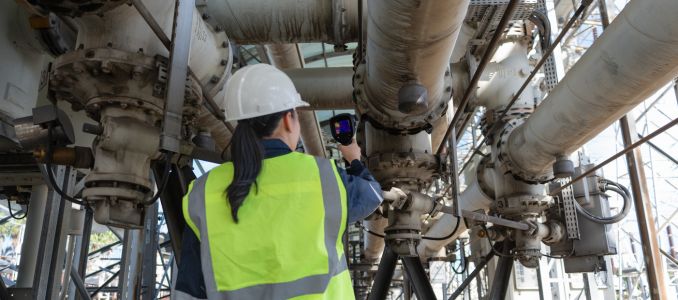
В энергетике и производстве внедрение надежных систем обнаружения газов стало критически важным для защиты персонала от невидимых угроз и предотвращения аварий. Регуляторные нормы, такие как требования OSHA, подчеркивают необходимость постоянного мониторинга атмосферы в замкнутых пространствах для минимизации рисков.
Перевод ИИ
Текст статьи доступен на языке оригинала.
Нажмите кнопку «Перевести статью» выше, чтобы сгенерировать перевод с помощью ИИ.
Оригинальный контент
Why Gas Detection Is Non-Negotiable in Mission-Critical Environments
Deploying robust gas detection protects workers from invisible atmospheric hazards while maintaining operational uptime in high-stakes facilities.
- By Armando Pazos
- Aug 14, 2026
In mission-critical environments, the margin for error is slim. In energy facilities, refineries, manufacturing plants and semiconductor fabs, workers and systems support the operations people rely on every day. When safety and uptime are both on the line, gas detection is not a nice-to-have. It is an essential requirement.
For safety leaders, gas detection is more than a compliance box to check. It helps teams understand changing conditions, protect workers from hazards they cannot see and act early before a routine task turns into a serious incident.
Invisible Risks, Real Consequences
Some of the most serious hazards on a worksite are the ones no one can see. Toxic and combustible gases can build up with little warning, and in a confined space or complex industrial setting, that can turn dangerous fast. One undetected leak can threaten worker safety, interrupt operations and leave lasting damage.
That is why OSHA emphasizes atmospheric testing in permit-required confined spaces. The agency says testing helps teams assess hazards and confirm that entry conditions are safe before anyone goes in. OSHA also advises testing spaces that may contain oxygen-deficient, toxic or combustible atmospheres before entry and monitoring them continuously when hazards may be present.
The reason is straightforward: conditions can shift quickly. A space that is safe at the start of a job may not stay safe if ventilation changes, materials are disturbed, work processes shift or gases move in from another area.
The U.S. Bureau of Labor Statistics reported 687 fatal occupational injuries tied to exposure to harmful substances or environments in 2024. That figure covers a range of hazards, but the message is clear: exposure prevention demands close attention across industrial worksites.
Where Gas Detection Matters Most
Gas detection matters most in settings where hazards are hard to detect, quick to spread or easy to underestimate.
The liquefied natural gas (LNG) industry is one example. Workers on carriers may need to enter confined spaces for inspections, repairs or routine maintenance. Those spaces can hold colorless or odorless gases such as methane and carbon monoxide. Portable detectors help crews check whether conditions are safe before work begins and spot leaks or abnormal readings that need attention.
Аналитика ИИ и парсинга
Технические детали обнаружения, сопоставления и связывания статьи
Поисковый запрос
«газовая детекция промышленные объекты безопасность»
Запрос, сгенерированный ИИ для поиска статьи в веб-источниках
Связанные результаты поиска
Для того чтобы специалисты могли подобрать оптимальное решение под конкретные проектные задачи, рассмотрим основные технические параметры, которыми обладает запорная газовая ...
Перечни НПА, содержащих обязательные требования, утв. Ростехнадзором, см. также в Справочной информации.
Во-многом это решение напоминает платформу МТС Экология, которая анализирует влияние выбросов в населенных пунктах за пределами санитарной зоны. Новая платформа фокусируется на контроле состояния воздушной среды ...