Английский Культура
06.07.2026 Читать источник
10 научно-фантастических сиквелов, которые изменили восприятие оригиналов
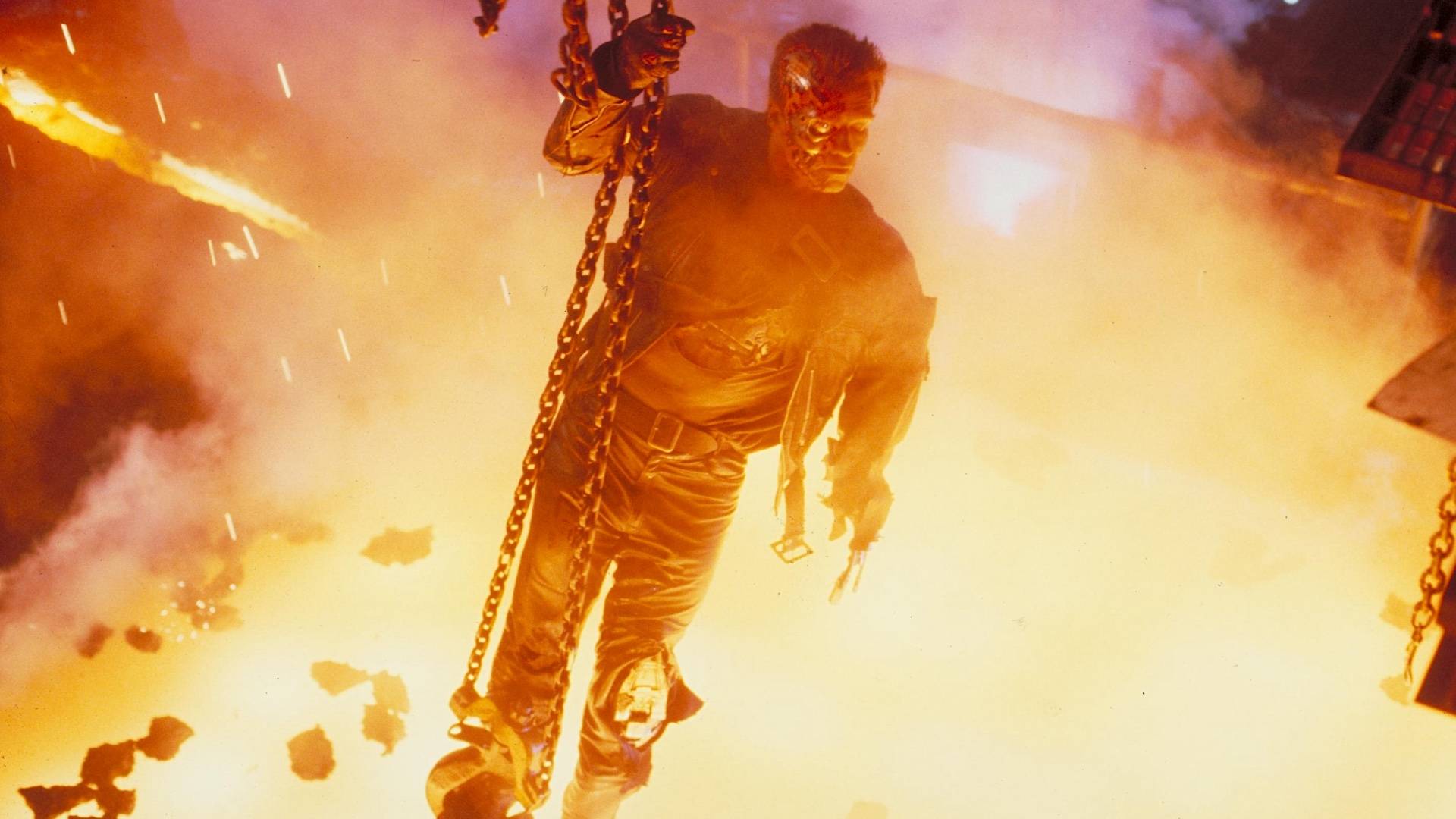
Эксперт составил список из десяти научно-фантастических сиквелов, которые не просто эксплуатируют успех предшественников, а расширяют вселенные и углубляют сюжет. Такие картины, как «Звездные войны: Империя наносит ответный удар» и «Дюна», заставляют зрителей заново оценивать первоисточники, раскрывая ранее упущенные детали.
Перевод ИИ
Текст статьи доступен на языке оригинала.
Нажмите кнопку «Перевести статью» выше, чтобы сгенерировать перевод с помощью ИИ.
Оригинальный контент
I still remember watching Highlander II with a friend and realizing that the fact that a sequel got made doesn’t mean someone had a good idea for one. It usually means the original movie made enough money to justify another trip to the well. That’s why sequels are such a gamble, especially in science fiction. The world is already built, the audience already has expectations, and the temptation is always to go better instead of deeper. Sometimes, it works. Other times, it leaves you wondering, “Did the story need another chapter?”
The 10 sci-fi sequels on this list dodged that trap. None of them simply remixed what made the original successful. They expanded the world, challenged the characters, or pushed the central ideas into newer territory. More importantly, these sci-fi sequels changed the way I watch their predecessors. Every time I revisit an original after watching the sequel, I notice details I missed before and appreciate it even more. Honestly, that’s the greatest compliment I can give any sequel, and I hope you agree with my picks.
Why You Should Trust Me: I’ve covered movies and television for MovieWeb for three and a half years now, and sci-fi sequels are the corner of this job I never get tired of writing about. I grew up watching The Empire Strikes Back and Star Trek II: The Wrath of Khan and I have opinions about them, so this list comes from real, long-running affection for these movies. I still revisit the best sci-fi sequels every few years to see whether they hold up or whether nostalgia has been working its magic.
Honorable Mentions
- Logan (2017): Logan isn’t a direct sequel to any single X-Men movie, so it cannot belong in the main list. But it closes out Wolverine and Professor Xavier’s arc with more sincerity than 17 years of prior mutant movies combined, so it’s worth a mention anyway.
- The Dark Knight (2008): Yes, I know someone will argue it’s science fiction because Batman uses futuristic technology. Someone else will insist it’s a crime thriller. Or a comic book adaptation. Rather than referee that debate, I’m giving it a shout-out.
- Bride of Frankenstein (1935): Bride of Frankenstein might just be the original template for “the sequel is better than the movie,” and it’s wild that it took Hollywood 90 years to really accept the fact. But I wanted this list to focus on the modern sci-fi era, so here we are.
- Back to the Future Part II (1989): This one gets bad press for its structure, since half the runtime revisits the first movie’s events from a different angle. But that structural trick is exactly why it deserves an honorable mention. Few sequels have used time travel to comment on their own predecessor, even if it confused 12-year-old me for a solid week.
'X2: X-Men United' (2003)
The Sequel That Turned a Metaphor Into an Actual Fight
Watch This If: The first X-Men played it safe. It spent most of its runtime introducing characters, getting the team in the same room, and convincing audiences that a superhero movie could explore themes of discrimination and prejudice. X2: X-Men United doesn’t have to do any of that. It takes the mutant metaphor and pushes it to the center of the story, turning fear of mutants into an active political threat through William Stryker (Brian Cox). I especially love what the movie does with Iceman’s “coming-out” scene to his parents, and Nightcrawler’s opening assault on the White House, which is genuinely spectacular. It’s also the movie where Wolverine’s backstory starts to get real.
Skip This If: X2 is juggling a lot of characters and storylines, and it shows. If you thought the first movie’s ensemble was crowded, this one adds more names and more subplots on top, and a few threads (Pyro’s arc especially) feel rushed by the end. It’s also best experienced after watching the original, since much of what makes it work needs context.
'Dawn of the Planet of the Apes' (2014)
Makes the First Movie Feel Like a Prologue
Watch This If: Rise of the Planet of the Apes was a solid origin story, but Dawn of the Planet of the Apes is where the franchise becomes something close to “Shakespeare with motion-capture apes.” Caesar is no longer fighting for survival; he’s trying to govern, and the movie understands that leadership is harder than any fight scene it could stage. Andy Serkis gives one of the great modern performances, and the choice to let long stretches of the movie play out in ape sign language, with barely any human dialogue, is risky but clever. What impresses me most is how the movie treats Koba, Caesar’s rival, as a tragic figure shaped by human cruelty. The complexity makes Dawn more interesting.
Skip This If: This is a slow burn, and the human characters, while well-acted, are thinner than the ape cast. If you came to this franchise expecting an action-heavy blockbuster, the first hour will test your patience before the war breaks out. It’s also a genuinely bleak watch, with very little comic relief.
'War for the Planet of the Apes' (2017)
The Trilogy Capper Understands Grief Better Than Most War Movies
Watch This If: It might seem odd, but War for the Planet of the Apes 100% earns this spot. It closes out Caesar’s story as one about grief, revenge, and the cost of leadership, and that choice gives the entire trilogy a shape the first movie could never have achieved on its own. Shout-out to Woody Harrelson’s unnamed Colonel, the best antagonist in any recent blockbuster. He is a man who has convinced himself that atrocity is mercy, and the parallels to real war history (the POW camp setting) bring unmatched gravity to the movie.
Skip This If: If Dawn’s pace tested you, War for the Planet of the Apes is even slower and darker. It also assumes you remember specific character relationships from the previous two movies, so watching it cold will cost you a lot of the emotional payoff. If you’re hoping for a triumphant blockbuster finale, be prepared for something much quieter and far more tragic.
'Star Trek II: The Wrath of Khan' (1982)
How a Forgettable TV Villain Became the Franchise’s Defining Role
Watch This If: Khan Noonien Singh appeared in just one episode of the original series before this, and The Wrath of Khan turns that background character into the franchise’s most quoted line about revenge. “Revenge is a dish that is best served cold... It is very cold in space.” Ricardo Montalban’s performance is ferocious, and the line still sends shivers down the spine. The sequel, overall, is impressive because it finally lets the crew age. Kirk is forced to confront mortality; mistakes he made years earlier come back with consequences, and the movie isn’t afraid to end with an actual death. Also, the submarine-style tactics of the Enterprise-Reliant battle turn the space battle into something claustrophobic yet strategic and personal.
Skip This If: Okay, so, the movie assumes you know who Khan is, even if you’ve never seen his original TV appearance. A little homework might be necessary. The effects and pacing are unmistakably early ‘80s, too, and if you're coming from modern sci-fi blockbusters, some of the space combat will feel slow by comparison.
'Dune: Part Two' (2024)
The Second Half Commits to the Story's Real Message
Watch This If: Dune: Part One had the difficult job of introducing Frank Herbert’s world without overwhelming the audience, and what a phenomenal job it did. Dune: Part Two gets to ask the harder questions. Instead of celebrating Paul Atreides as a traditional hero, it slowly reveals the danger of turning one man into a messiah. That shift elevates the sequel for me. Timothée Chalamet’s performance shifts noticeably across the runtime, and Zendaya’s Chani becomes the moral conscience. The one character sees exactly what Paul is becoming and says so. Javier Bardem is also a standout as Stilgar. Overall, Herbert wrote Paul as a cautionary figure, and Denis Villeneuve never backs away from his warning about power and blind faith.
Skip This If: If you wanted a clean victory story, this isn’t it. Some viewers have been left frustrated that the movie refuses to celebrate Paul’s rise. It’s also a demanding watch that assumes you remember plot and character details from Part One closely; skipping straight to this one will leave you lost.
'Mad Max: Fury Road' (2015)
The Sequel That Gave the Wasteland a Story Worth Its Imagery
Watch This If: I’ve always admired the original Mad Max movies for their incredible world-building, but the truth is, they suffer from thin plotting. Mad Max: Fury Road finally matches George Miller’s vision with a story that’s as strong as its visuals. It keeps the wasteland, the practical action, and the relentless energy, but hands its narrative center to Furiosa instead of Max, which is a confident choice. Charlize Theron’s performance carries the emotional weight of the whole movie, and Max almost becomes a supporting character in his own franchise. The stunt work, filmed largely for real in the Namibian desert, gives the action a sense of physical danger that CGI-heavy blockbusters can’t match.
Skip This If: Fury Road is essentially a long chase across the desert. The dialogue is so sparse that the movie barely explains anything about its world. The non-stop pace can also be exhausting rather than thrilling. If you prefer your sci-fi with more talking and less engine noise, this might not be for you.
'Blade Runner 2049' (2017)
Patient Enough to Ask the Original's Question Again, Louder
Watch This If: Most legacy sequels spend their runtime answering questions fans have argued about for years. Blade Runner 2049 does something smarter. It takes the original’s central question – what makes someone human? – and asks it from a different perspective. Ryan Gosling’s K isn’t searching for the truth about Deckard. He's searching for meaning in his own existence, and that shift makes the movie feel familiar and refreshing. Denis Villeneuve (again) directs with the same patience Ridley Scott did and interrogates memory and identity. Mystery is part of what made Blade Runner endure, so he resists the temptation to explain everything. Everything I revisit Ridley Scott’s movie, I appreciate it more because 2049 has more to say.
Skip This If: At nearly three hours, with a deliberately slow pace, this is not a casual watch. If the original’s languid style bored you, the sequel will bore you even further. 2049 is also a movie that rewards close attention to the original’s themes; going in cold will mean missing most of what makes it special.
'Terminator 2: Judgment Day' (1991)
Turned Its Villain Into the Story's Beating Heart
Watch This If: It’s fitting that Terminator 2: Judgment Day hits its anniversary this year, because thirty-five years later. It’s still the standard other franchise sequels get measured against. James Cameron’s boldest move was flipping Arnold Schwarzenegger’s Terminator from remorseless killer to reluctant protector, and that single decision turns the first chase movie into the opening chapter of a much bigger war. Suddenly, the story isn’t about surviving the future, but changing it. Sarah Connor benefits even more. She evolves from someone running for her life into the person willing to sacrifice everything to stop Judgment Day, and Linda Hamilton sells every step of that transformation. It’s a brilliant sequel. No notes.
Skip This If: Honestly, there isn’t much reason to skip this one. If pressed, I would say the sentimental father-son dynamic between John Connor and the Terminator plays a little broader and more family-friendly than the grim first movie, so if you want unrelenting tension throughout, a few stretches here will feel softer than you expect. But that’s a minor complaint for a movie this influential.
'Aliens' (1986)
From Haunted House to War Movie Without Losing a Beat
Watch This If: Ridley Scott’s Alien was a horror movie set in space, and the easiest way to make a sequel would have been to send Ripley back into another haunted spaceship. But James Cameron understood that would only invite comparisons to Scott’s masterpiece, so he turned Aliens into a war movie set in space. The xenomorphs become an army instead of a single monster, and Ripley evolves from a survivor into a leader. It opens the door for one of my favorite character arcs in science fiction. Her relationship with Newt is special, of course, but the introduction of the Alien Queen gives Ripley a mirror to fight against. It’s remarkable how Aliens respects everything the original did while telling a different story.
Skip This If: If the slow-building horror and claustrophobia of Alien are the reasons you love it, this sequel may surprise you. It trades much of that dread for action and momentum. I think that’s precisely why it works, but it’s worth knowing if you’re expecting something else.
'The Empire Strikes Back' (1980)
The Sequel That Changed the Rules for Every Franchise That Followed
Watch This If: Every other movie on this list owes something to what The Empire Strikes Back figured out first – that a sequel could take real risks with its own story instead of recycling a winning formula. Star Wars was a scrappy underdog win; Empire turns that victory into the opening act of a saga with actual cost. It splits the heroes up, lets them lose, makes the villain more complicated, and ends on one of the most famous twists in movie history. The Force transforms from a useful power into something spiritual and mysterious. Even Han and Leia’s relationship grows because the movie lets them clash instead of rushing them into a romance. It expands the world without making the original feel smaller, and it leaves you with more questions than answers while making the entire franchise stronger. That’s an insane feat.
Skip This If: Again, it is genuinely hard to find fault in this movie, but if you’re new to Star Wars and want a self-contained story, this one ends on a cliffhanger with several threads deliberately unresolved. If you need closure in a single sitting, wait until you can watch Jedi immediately after, because this one will leave you hanging on purpose.
Which sequel made you appreciate the original even more? Let us know in the comments.
Аналитика ИИ и парсинга
Технические детали обнаружения, сопоставления и связывания статьи
Поисковый запрос
«лучшие научно-фантастические сиквелы в истории кино которые заставят пересмотреть оригиналы»
Запрос, сгенерированный ИИ для поиска статьи в веб-источниках
Связанные результаты поиска
Результаты поиска отсутствуют в БД
Парсер не сохранил результаты веб-поиска для этой статьи.