Английский Наука и Образование
02.09.2026 Читать источник
Ботаники и любители создадут масштабный фотоатлас флоры Чехии к 2028 году
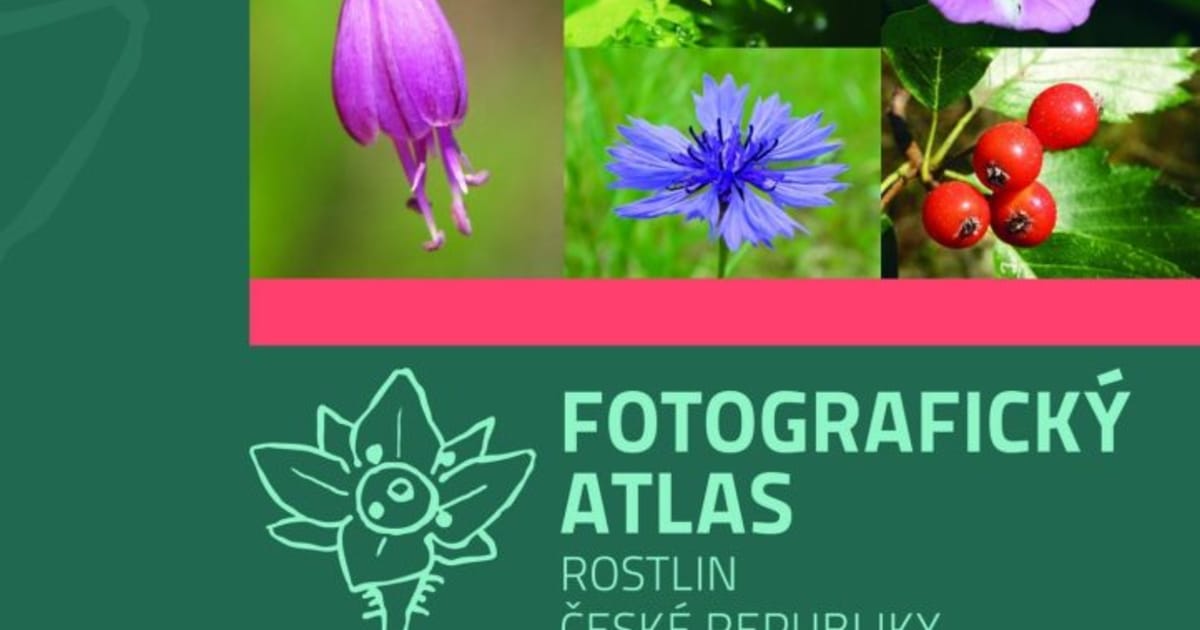
Команда из профессионалов и энтузиастов завершает восьмилетний проект по съемке 10 000 видов чешской дикой растительности. Ожидаемый выпуск атласа, включающего подробные карты и описания, запланирован на 2028 год.
Перевод ИИ
Текст статьи доступен на языке оригинала.
Нажмите кнопку «Перевести статью» выше, чтобы сгенерировать перевод с помощью ИИ.
Оригинальный контент
Professionals and amateurs join forces to photograph Czechia’s entire flora in 10,000 pics
For eight years, professional botanists and enthusiastic amateurs across Czechia have been working on an ambitious project: a comprehensive photographic atlas of the country's wild plants. Around 3,300 plants will be represented by some 10,000 photographs, along with distribution maps and information to help readers identify them. With the final field season now under way, the team hopes to publish the atlas in 2028.
An atlas on an unprecedented scale
There are plenty of books that can help you identify a flower growing beside a Czech country road or a tree in the forest. But a group of Czech botanists believes something is still missing: a photographic atlas attempting to document Czechia's flora on a scale not available in existing publications.
Work on the project began in 2018. The finished atlas is expected to include around 3,300 plants, covering all species native to Czechia as well as most introduced and naturalised species and even some commonly planted trees and shrubs. Alena Lepší, one of the people coordinating the project, says its distinguishing feature will be not simply the number of species, but the detail in which they are presented.
“We want to create the first complete photographic atlas of the wild plants of the Czech Republic. Our book will be different because we will show the important features used to identify each plant. There will be not just one photograph of each plant, like in other atlases, but about three photographs on average. One will show the whole plant and the others the important identification features.” The result should contain around 10,000 photographs. But the photographs are only part of the job. Individual entries will also contain information about the plants and maps showing their distribution. The atlas is intended both for specialists and for ordinary people interested in the plants they encounter around them.
Professionals and amateurs working together
The project is also unusual for the number and variety of people involved. Lepší says around 30 botanists and 190 photographers are currently contributing to the book.
“Some of them are professionals and some are amateurs. Very often it happens that amateurs can make better pictures than professional botanists. So we cooperate together and learn from one another.” That cooperation extends beyond Czechia. German and Hungarian botanists are helping to fill gaps, particularly where a species that is extremely rare in Czechia may be considerably easier to find elsewhere.
Within Czechia, local botanists play an important role in telling photographers where particular plants can be found. That can be surprisingly difficult: some rare species do not necessarily appear in precisely the same location every year. The project also works with the Czech Botanical Society, universities, museums and the Institute of Botany of the Czech Academy of Sciences. Through these institutions, the team can draw on information accumulated during roughly 250 years of Czech botanical research.
The atlas will also tackle groups notoriously difficult to identify, including hawkweeds, dandelions, blackberries and evening primroses. Lepší believes that could make it valuable to botanists outside Czechia as well, and the team plans to distribute the finished work internationally.
The final season in the field
After eight years, 2026 is supposed to be the project's last major season of photography. That doesn't mean the book is almost ready to go to the printers. Once the photographs have been assembled, considerable work remains to select and check them, prepare the maps and accompanying information and bring everything together into the finished atlas. But the photographers need to finish their fieldwork now.
“This year is the final one because we promised our supporters that they would have the book in their hands soon. It will take a long time to complete the book, so this year we definitely must have all the photographs to have enough time to complete it.” As summer gives way to autumn, the remaining opportunities are shrinking. The team is now concentrating on late-flowering plants, as well as photographs of fruits and seeds.
The project is supported by universities, several Czech regions and members of the public. Lepší says private donors alone have contributed around CZK 2 million, while about 40 patrons have chosen particular plants to support. The team nevertheless still needs additional funding to finish the work.
“We plan to publish the atlas in two years, and it will contain about 10,000 photographs. We will cover all native plants of the Czech Republic and also include most of the introduced and naturalised species.” If everything goes according to plan, the result will be much more than another field guide: a collaborative photographic record of Czech flora assembled by hundreds of people, from professional scientists to amateur plant enthusiasts, over the course of a decade.
Аналитика ИИ и парсинга
Технические детали обнаружения, сопоставления и связывания статьи
Поисковый запрос
«Чехия флора фотоатлас 2028»
Запрос, сгенерированный ИИ для поиска статьи в веб-источниках
Связанные результаты поиска
Результаты поиска отсутствуют в БД
Парсер не сохранил результаты веб-поиска для этой статьи.