Английский Общество
02.09.2026 Читать источник
Бизнесмены из Северного Чарльстона участвуют в пересмотре правил землепользования для подготовки города к росту населения
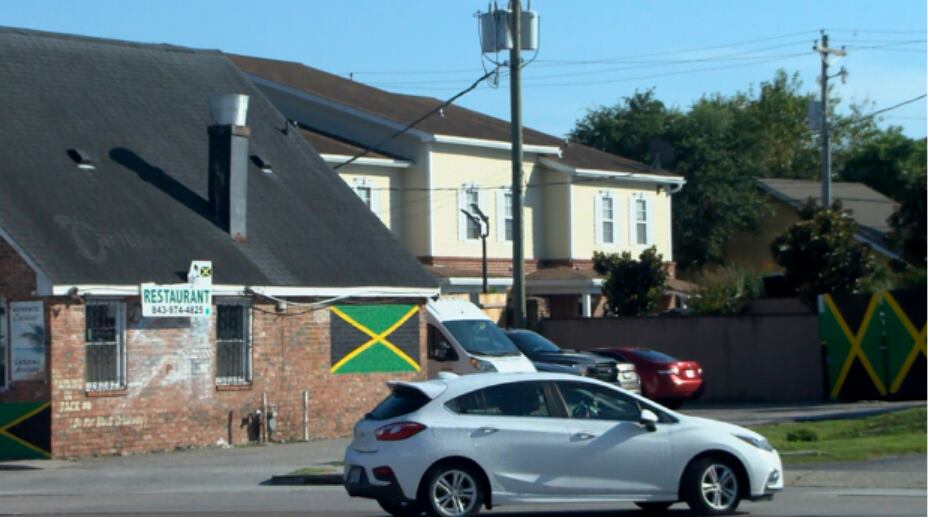
Власти Северного Чарльстона вовлекают местных предпринимателей в разработку нового устава развития, чтобы адаптировать устаревшие нормы к прогнозируемому притоку 270 тысяч жителей. Владельцы бизнеса выступают за поддержку локальных магазинов, доступное жилье и создание пешеходной инфраструктуры для комфортной жизни.
Перевод ИИ
Текст статьи доступен на языке оригинала.
Нажмите кнопку «Перевести статью» выше, чтобы сгенерировать перевод с помощью ИИ.
Оригинальный контент
Local businesses weigh in to help shape N. Charleston’s future development plan
NORTH CHARLESTON, S.C. (WCSC) — North Charleston is rewriting the blueprint that will shape the city’s future.
It’s an 18-month overhaul of zoning and development rules. The city is giving local businesses a seat at the table to help shape the Unified Development Ordinance and make sure this rewrite supports the community.
The city says the Population Growth in the Charleston Region over the next 20 years will add more than 270,000 new residents, 140,000 new jobs, more than 135,000 daily commuters and 102,000 new households.
City leaders say the current code can’t keep up.
“It’s still a remnant of the 1970s and times have changed since then. And it is important that we keep up with the times as well as make sure that we can accommodate the future growth that is headed our way,” Tim Macholl, director of planning and zoning for the city of North Charleston, said. “we need to have the tools in place to be able to accommodate that growth and small business is also a an aspect that we have to accommodate because we need places for people to work. We need places for people to shop. We need people to provide the services that that new population are going to need.”
That’s the goal behind the Unified Development Ordinance. It combines the city’s outdated, scattered zoning rules into one modern document.
“Can’t keep just paving over and building more parking lots, building more streets, uh just adding more houses. We have to find ways to stack those together in places that can accommodate that growth and provide for that commute without having to get into your car,” Macholl said.
Local business owners shared how these zoning changes could affect them because supporting local businesses impacts families and residents across the city.
“Small grocery, a cafe, a restaurant. Those small businesses contribute a considerable amount to the local economy and to people’s quality of life,” Macholl said.
“It’s two hands holding each other, right? You know, without us, the city is just a boring little husk and without the city, we can’t really do much. So you know if they can make things easy for us and we can make a city a joyful place to live, then why not work together?” Corrie Wang, owner of Jackrabbit Filly and King BBQ, said.
Business owners workshopped ideas with city leaders and Lowcountry Local First. They pushed for supporting local shops over big chains, beautifying streets to feel more inviting, affordable housing opportunities that make it easier to hire and keep employees close to home and streamlining the permitting process.
“Anything that like makes walking easier, biking easier, sort of not having to rely on a car in Charleston is really special. and whether that is a lot more trees to shade your pathways of walking or like a lot sort of easier, more accessible bike lanes, like that only helps everybody,” Wang said. “The city helping you make such a big impact on just sort of the daily stress and nature of your business. It’s great when you’re on the same page,” Wang said.
The ordinance is still in its early stages. The goal is to have a final draft of the ordinance by spring of 2027.
“New zoning districts, what and what uses are allowed in those districts and then shortly After that, in early 27, we should get the other parts of, you know, how things are built as well as the actual zoning map, where these new districts will be applied. throughout the city,” Macholl said.
From recent public input, the city shared key takeaways, including:
- Public understanding of zoning and the UDO varies widely, highlighting the need for continued education and outreach.
- Residents are eager to stay informed and involved throughout the UDO process.
- Participants generally support expanding housing choices, including missing middle housing.
- Compatible design is more important than density when introducing new housing in existing neighborhoods.
- Housing affordability is a key factor in public support for future development.
- Residents support neighborhood businesses and walkable destinations that provide convenient access to daily needs.
- Traffic congestion and infrastructure capacity are major concerns as the city continues to grow.
- Parks, open space and community amenities are widely supported priorities for residents of all ages.
The next in-person meeting is: Oct. 1 from 6-8 p.m at the Lord of the Harvest Christian Faith Center, located at 3680 Meeting Street Road.
Click here to learn more about the ordinance. To learn more about Lowcountry Local First, click here.
Copyright 2026 WCSC. All rights reserved.
Аналитика ИИ и парсинга
Технические детали обнаружения, сопоставления и связывания статьи
Поисковый запрос
«Северный Чарльстон бизнесмены землепользование»
Запрос, сгенерированный ИИ для поиска статьи в веб-источниках
Связанные результаты поиска
ЗЕМЛЕПОЛЬЗОВАНИЕ МАСТЕРОВЫХ ДОБРЯНСКОГО ЗАВОДА И ПЕРЕХОД НА ВОЛЬНОНАЕМНЫЙ ТРУД В НАЧАЛЕ ...
Самый северный город с населением более 1000 человек — Лонгйир; более 20 000 человек — Дудинка; более 100 000 человек — Норильск; более 1 миллиона — Санкт-Петербург.