Английский Медицина
03.09.2026 Читать источник
В Ирландии оценивают расширение финансирования кохлеарных имплантов для взрослых с односторонней глухотой
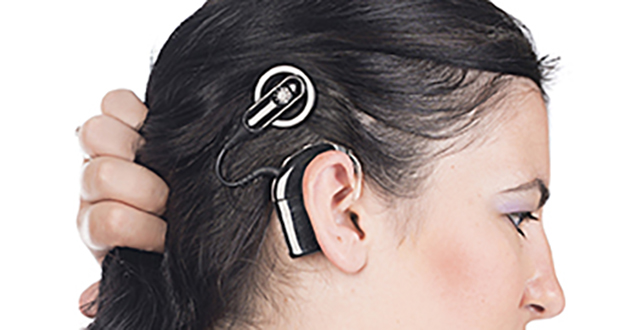
Орган здравоохранения HIQA проводит оценку эффективности расширения критериев финансирования кохлеарных имплантов для взрослых с односторонней глухотой и повторной операции при двусторонней тяжелой потерей слуха. Одновременно специалисты отмечают, что успешная адаптация к слуховым аппаратам требует времени и профессиональной поддержки для формирования реалистичных ожиданий.
Перевод ИИ
Текст статьи доступен на языке оригинала.
Нажмите кнопку «Перевести статью» выше, чтобы сгенерировать перевод с помощью ИИ.
Оригинальный контент
Assessment to review expansion of use of implants among adults with single-sided deafness, and a second cochlear implant for adults with bilateral severe-to-profound hearing loss
The cost effectiveness of cochlear implants for adults is the subject of a new health technology assessment by the Health Information and Quality Authority (HIQA).
The health watchdog has announced it will review the clinical benefits of expanding the current funding criteria for cochlear implants to include adults with single-sided deafness, and a second cochlear implant for adults with bilateral severe-to-profound hearing loss.
While there are other surgical and non-surgical interventions available to treat both types of hearing loss, cochlear implants are the only intervention that can potentially restore hearing in the affected ear.
“Current funding for cochlear implants for adults is limited to a single cochlear implant for those with bilateral severe-to-profound hearing loss and doesn’t cover adults with single-sided deafness,” said HIQA chief scientist Dr Conor Teljeur.
“We are going to be looking at the potential clinical benefits and cost implications of expanding the funding criteria for adults, so that more people with hearing loss have the option to get a cochlear implant.”
HIQA will look at the current treatment options for hearing loss, the clinical efficacy, effectiveness and safety of cochlear implants, the cost and budget implications of expanding funding along with any ethical or organisational implications. The final report will be published in 2027 and provided as advice to the Minister for Health and HSE.
The review gets underway as a new survey shows that more than half of people who stop using hearing aids stop within two weeks of their initial fitting.
The research by Hidden Hearing also found that 30 per cent cease using their prescribed devices within a week. Among those who never wear their hearing aids, 17 per cent gave up within three days.
Early challenges were common, with users reporting difficulties handling or maintaining their device (27 per cent ), everyday sounds feeling too loud (27 per cent), embarrassment (25 per cent), and physical discomfort (23 per cent ).
“The data highlights how easily early enthusiasm can turn into disappointment when expectations aren’t managed and ongoing support isn’t in place,” said Dolores Madden, audiologist with Hidden Hearing.
“Many users begin the process expecting immediate results, but adapting to hearing aids takes time and adjustment.”
Around eight per cent of adults aged 50 and over in Ireland use a hearing aid some or all of the time. Audiologists generally recommend that people wear their hearing aid for at least eight to ten hours each day.
Among respondents who wear their hearing aids for the recommended period, 43 per cent reported an improved social life, 40 per cent reported improved mental health, and 38 per cent said their confidence increased.
However, 16 per cent expected instant results similar to wearing glasses, and lost confidence when improvement was not immediate. One-in-four said better access to post-fitting care would have helped them continue using their hearing aid.
Two-thirds of respondents left their first fitting appointment feeling unsure about their hearing aid; while 59 per cent of users who do not always wear their hearing aids said they realised during their fitting appointment that they were unlikely to use them as recommended. On average, this realisation occurred within three weeks of fitting.
Hidden Hearing’s survey involved 671 people in Ireland who had been prescribed hearing aids (either publicly or privately), including regular, occasional, and non-users.
“Early challenges are completely normal. Successfully adapting can take time and getting the right support from your audiologist is important. Your brain needs time to adjust, and your hearing aids will need fine-tuning – not just for your ears, but for your lifestyle,” added Ms Madden.
“Advancements in hearing technology mean today’s hearing aids are more sophisticated, discreet and personalised than ever before. Innovations such as the award winning Oticon Zeal and the new Oticon Reveal, the world’s first Dual AI hearing aid, can help people stay connected to the sounds and conversations that matter most. But technology is only part of the solution; the right fitting, realistic expectations and ongoing support from an audiologist are just as important in helping people adjust and feel confident.”
Аналитика ИИ и парсинга
Технические детали обнаружения, сопоставления и связывания статьи
Поисковый запрос
«Ирландия финансирование кохлеарные импланты взрослые односторонняя глухота»
Запрос, сгенерированный ИИ для поиска статьи в веб-источниках
Связанные результаты поиска
Ирландия — Википедия. Перейти к содержанию. Главное меню. переместить в боковую панельскрыть. Навигация . Заглавная страница. Содержание. Избранные статьи. Случайная статья. Текущие события. Участие . Сообщить об ошибке. Как править статьи. Сообщество. Форум. Справка. Свежие правки. Новые страницы. Служебные страницы. На других языках . Аԥсшәа.