Английский Экология
06.07.2026 Читать источник
Администрация Бюро землеустройства продает участки в Неваде с низким потенциалом добычи нефти и газа
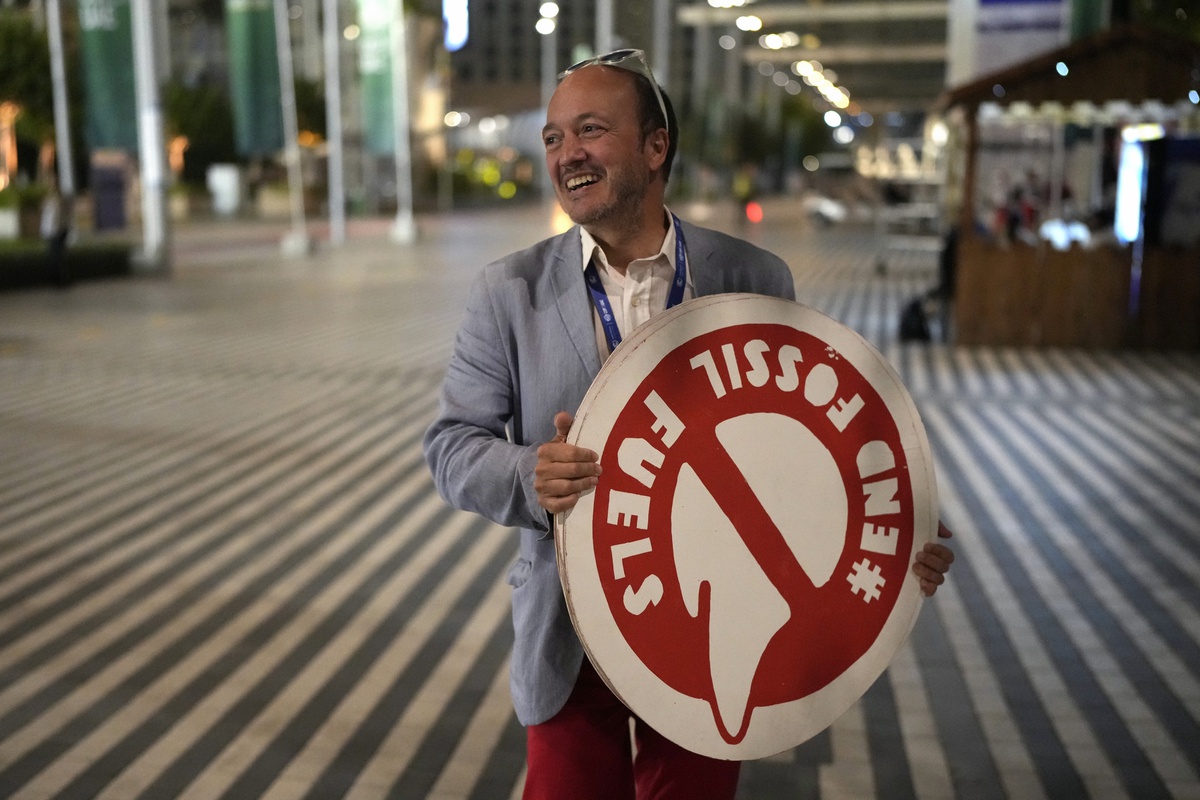
В Неваде Бюро землеустройства (BLM) провело аукцион по продаже 10 тысяч акров федеральной земли, которые эксперты оценили как малообеспеченные ресурсами. Критики указывают, что такие сделки наносят ущерб миграционным коридорам диких животных, тогда как местные жители предпочитают развитие только на участках с высоким потенциалом добычи.
Перевод ИИ
Текст статьи доступен на языке оригинала.
Нажмите кнопку «Перевести статью» выше, чтобы сгенерировать перевод с помощью ИИ.
Оригинальный контент
OPINION:
Guest column: Fossil fuels makes little sense, or cents, in Nevada
Monday, July 6, 2026 | 2 a.m.
View more of the Sun's opinion section
We were told that if we gave oil and gas companies free reign on public lands, we would have national security and become energy independent. Then why are Nevadans paying $5 a gallon?
Obviously, giving the oil and gas companies the keys to our public lands does not directly result in lower gas prices or security. Time and time again, the fossil fuel industry prefers steady, predictable growth and production or a boom and bust cycle. The past two White House administrations have combined to make the United States the top oil producer since 2018. It is also evident that we will continue to set U.S. oil and gas extraction records for at least the next three years in order to maintain that dominance.
In 2025, the United States produced 13.6 million barrels of oil per day, largely from Texas in the Permian basin. Assuming we are still at that pace, and the price of oil is approximately $102 a barrel, that equals roughly $1.4 billion a day being raked in by the oil and gas industry. Over the past five years, oil and gas development on federal lands has generated $4.4-$8.4 billion a year. These statistics show how little our federal lands contribute to oil and gas production. As every Nevadan and oil speculator knows, Nevada is mainly federal land with very little oil and gas development. Our state only receives about $1-1.5 million a year in oil and gas revenue-sharing funds.
However, the Bureau of Land Management (BLM) last month staged an oil and gas lease sale to offer four oil and gas parcels totaling 10,211 acres in Nevada. Similar to parcels that have been historically auctioned off, those entire 10,211 acres were identified as having low potential for fossil fuels. Recent polling suggests that over 70% of Nevadans prefer to drill where there is a high potential for fossil fuels. In 2023, the BLM held an auction for over 4,000 acres of moderate- to high-potential land that received no bids. In 2024, the BLM held an auction for 2,080 acres in southeast Nevada that also received no bids.
When BLM-managed land is sold for oil and gas leasing, it typically is sold either at the lowest competitive bid possible or in the non-competitive sale. Non-competitive leases are oil and gas leases that failed to receive a bid during the first round of auction and then are sold for pennies on the dollar, roughly the price of a single can of corn per acre. Over the past decade, Nevada has accounted for less than one-tenth of 1% of federal oil production nationwide and an even smaller percentage of federal gas production.
Even though most of these parcels never enter production, the majority of the parcels offered are located in big-game wildlife migration corridors or sage grouse habitat. The BLM mission statement is “is to sustain the health, diversity and productivity of public lands for the use and enjoyment of present and future generations.” To achieve this, the BLM is made up of various departments overseeing projects ranging from fossil fuel extraction, livestock grazing, mining, renewable energy and conservation. However, when the BLM sells a parcel for development, wildlife habitat conservation is knocked down the priority list on that landscape. Last year, the BLM faced a 30% staffing cut in 2025, yet kept the fossil fuel department in the office when the rest of the agency was closed due to the government shutdown. In addition, efforts to limit public comment leads me to believe that the 30% of staff that was cut were from other departments. Nevada is known as the Sagebrush State, yet every year the West loses 1.3 million acres of its iconic sagebrush steppe. This is true in our state as we continue to see our mule deer and sage grouse population decline.
Russell Kuhlman is executive director of the Nevada Wildlife Federation.
Аналитика ИИ и парсинга
Технические детали обнаружения, сопоставления и связывания статьи
Поисковый запрос
«Критика продажи земель Бюро землеустройства США для добычи ископаемого топлива в Неваде и влияние на дикую природу»
Запрос, сгенерированный ИИ для поиска статьи в веб-источниках
Связанные результаты поиска
Результаты поиска отсутствуют в БД
Парсер не сохранил результаты веб-поиска для этой статьи.