Английский Общество
03.09.2026 Читать источник
Отмена минимальных норм парковки в Денвере может увеличить предложение жилья на 13%
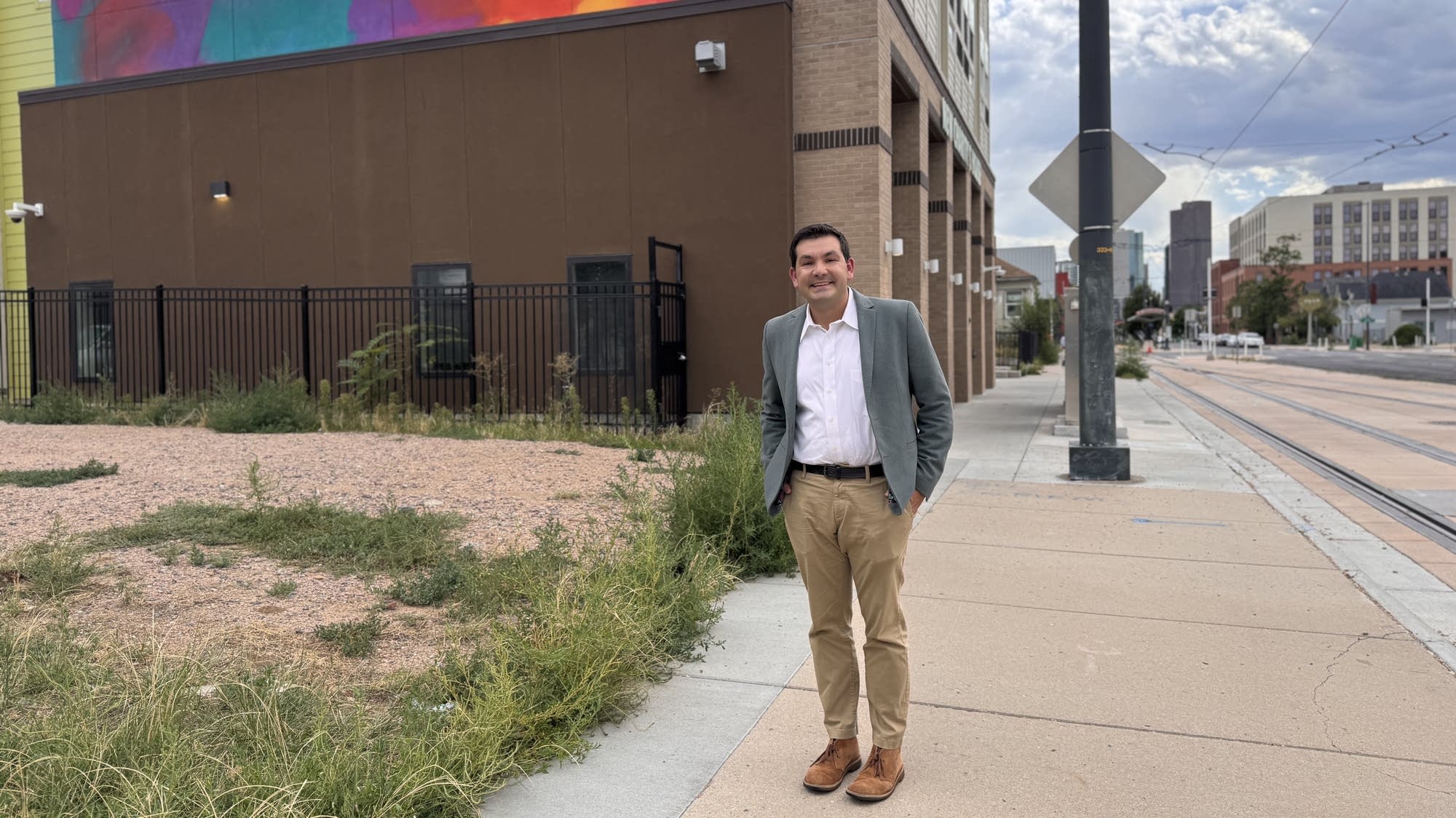
Городской совет Денвера отменил требование об обязательном парковочном месте для каждой квартиры, чтобы снизить стоимость строительства и стимулировать возведение нового жилья. Эксперты оценивают, что это изменение позволит ежегодно создавать на 460 дополнительных жилых единиц, хотя реальные результаты станут известны лишь через несколько лет.
Перевод ИИ
Текст статьи доступен на языке оригинала.
Нажмите кнопку «Перевести статью» выше, чтобы сгенерировать перевод с помощью ИИ.
Оригинальный контент
Driving through the River North Art District in Denver, Colorado, you’ll see a former industrial area now filled with art galleries, craft breweries and bougie shops and restaurants.
“When you see a Shake Shack, that's when you know there's some gentrification for sure,” said Stefan Chavez-Norgaard, an assistant professor of public policy at the University of Denver.
You’ll also see several new apartment buildings, with amenities like rooftop decks, fitness centers and private parking.
“A lot of these projects are the exact kinds of projects that can benefit from changes to the parking rules,” Chavez-Norgaard said.
Until a year ago, Denver required that most apartment buildings provide at least one parking spot per unit, but last August the city council voted to eliminate those requirements, in an effort to spur more housing construction. A single parking spot can add as much as $50,000 to the cost of construction. It also leaves less space for housing. Like many U.S. cities, Denver has a shortage of housing that lower- and middle-income people can afford.
Before the vote, Chavez-Norgaard co-authored a study estimating the change could add 460 more housing units per year, or almost 13% more than the status quo.
“We like to think we provided a sort of evidence-based or data-driven resource for City Council as they made that decision,” he said. “It’s not a total game changer, but 400 units per year, that adds up over time.”
To estimate how eliminating parking minimums would affect the housing supply, Chavez-Norgaard used a housing policy simulator developed by Terner Labs, a nonprofit that promotes housing affordability. The simulator uses computer modeling to test how different changes to zoning and building codes might impact development in different economic conditions. From building height limits and setback requirements, to permitting fees and prevailing interest rates, countless variables can affect a developer’s calculations about what and where to build.
“What we built with our tool here, is essentially kind of a sandbox for policymakers,” said Alex Casey, Terner’s data lab director. “We want to try to create that translation between policy and development math.”
So far the simulator covers more than 20 cities in Arizona, California, Colorado, North Carolina and Virginia, with more in the works. Recently JPMorgan Chase awarded a $500,000 grant to help identify potential reforms that could increase housing production in San Francisco and Chicago, using the housing policy simulator.
In Denver, it’s too soon to know how the parking change will play out in the real world. It can take years for an apartment building to go through the design, permitting and construction process. Chavez-Norgaard said he’s heard from developers who still plan to build parking, because residents — and often the investors backing a project — want it.
But as an example of the potential impact, he pointed to a housing project built a few years ago in the nearby Five Points neighborhood. Before Denver abolished parking minimums for all buildings, the city had relaxed requirements for affordable housing projects like this one.
“One thing you'll notice about this parcel is that it's sort of this oddly-shaped, small triangular lot,” Chavez-Norgaard said.
That made it difficult, and expensive, to provide parking.
“So here we're able to see a project that works, in part because it had a little bit more flexibility,” he said.
A light rail stop just steps away made the lack of dedicated parking less of an issue, but a resident coming home after a day of work pointed out that the city recently suspended light rail service, for maintenance, until next year. That’s something a housing policy simulator can’t necessarily predict. Quentin Thornton, who has an injured leg, said now he has to catch the bus a block-and-a-half away.
“I mean, I can make it, but the light rail was just right there,” Thornton said. “I have a car, but I don't park it over here because it's not really enough sometimes.”
He’s hoping they turn the small vacant lot next door into parking.
Аналитика ИИ и парсинга
Технические детали обнаружения, сопоставления и связывания статьи
Поисковый запрос
«Денвер отмена норм парковки жилье»
Запрос, сгенерированный ИИ для поиска статьи в веб-источниках
Связанные результаты поиска
Группа взаимовыручки помощи среди русскоговорящих в Денвере, Колорадо. Рекламы у нас нет, а вот информация о том чем вы занимаетесь или что ищите...
May 15, 2026 · Денвер, штат Колорадо, - это не только один из самых быстрорастущих городов в США, но и место для тех, кто любит велоспорт, пешие прогулки, скалолазание и снег.
23 марта компания RTD приступит к реализации проекта по благоустройству парковки «Table Mesa Park-n-Ride»