Английский Медицина
06.07.2026 Читать источник
Яйценосные куры: как искусственный линька продлевает продуктивный цикл
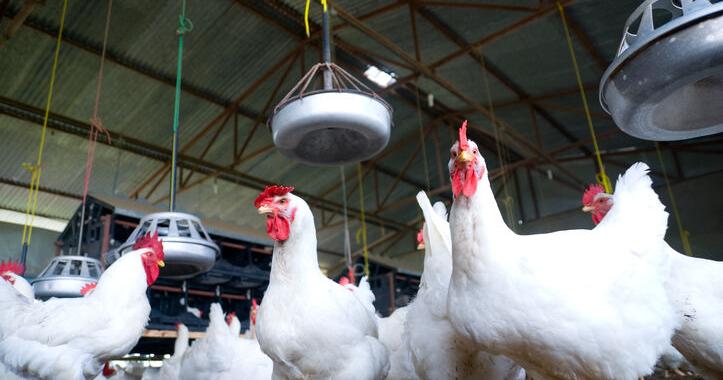
Производители яиц все чаще используют стратегию искусственной линьки для продления жизни стада, когда замена птицы экономически нецелесообразна. Эта процедура, включающая изменение рациона и освещения, позволяет перепрофилировать организм курицы и возобновить яйцекладку через 1–3 месяца.
Перевод ИИ
Текст статьи доступен на языке оригинала.
Нажмите кнопку «Перевести статью» выше, чтобы сгенерировать перевод с помощью ИИ.
Оригинальный контент
Extended lay strategies are becoming more common among egg producers, but molt periods are still used when maintaining layer flocks for multiple years.
Factors affecting whether to molt a flock may include changes in egg prices, input costs, mature hen value, and availability of replacement pullets. According to USDA’s National Agricultural Statistics Service, approximately 2% of total laying hens in the United States are being molted each month.
The purpose of a molt is to pause reproduction to refresh the bird’s body condition and feathering. Birds naturally molt one or more times per year, often during seasonal changes.
Chickens and their wild relatives typically molt once in the fall when breeding season ends, daylight hours decrease, and food becomes scarcer.
Commercial laying hens rely on the farmer to replicate these conditions, which is called an induced molt.
Nonfasting feeding programs are available and consist of several phases to help birds smoothly stop and restart egg production. The changes in feed are closely paired with changes in lighting. Both must be managed carefully, and consultation with a poultry nutritionist is recommended.
A hen experiences several changes during molt. One visible change is the loss and replacement of feathers.
Molt progression can be observed in the wing feathers, particularly the primaries. While holding the bird, gently open the wing to fan out the feathers. The hen loses and regrows these feathers in sequence, beginning with the No. 1 feather closest to the axial (the short feather between the primaries and secondaries) and ending with the No. 10 feather at the tip of the wing.
A hen that is not currently in molt displays all feathers at a mature length.
Ensure that ventilation systems work well to remove dust and dander associated with molt. Barn temperatures should be closely monitored to maintain bird comfort and keep feed intake within expectations. Pecking injuries can happen during this time, so identify and manage pecking behaviors quickly.
Internally, reproductive organs will become smaller and inactive while molting. The ovary pauses yolk development, and cells lining the oviduct and shell gland decrease in number. As a result, egg production will cease.
The producer should be prepared for the flock to be out of production for approximately one to three months, depending on the molt program.
Hen body weights will also decrease significantly during a molt. It is important to weigh hens often to ensure they remain healthy and do not lose too much weight.
A successful molt results in an additional cycle of persistent egg production. Even though peak production in subsequent cycles will be lower, egg weights will be consistent with or larger than before the molt. Shell quality can also be improved compared to the end of the previous cycle.
A well-managed molt program can benefit the egg producer seeking to extend the productive life of a flock when replacement is less feasible.
Ashley Bigge is a Penn State Extension poultry educator in Adams County.
Аналитика ИИ и парсинга
Технические детали обнаружения, сопоставления и связывания статьи
Поисковый запрос
«индуцированный линька кур несушек продление яйценоскости»
Запрос, сгенерированный ИИ для поиска статьи в веб-источниках
Связанные результаты поиска
Результаты поиска отсутствуют в БД
Парсер не сохранил результаты веб-поиска для этой статьи.