Английский Катастрофы
26.08.2026 Читать источник
Орегон выпустил руководство по вертикальным эвакуационным сооружениям для защиты от цунами
Департамент чрезвычайных ситуаций Орегона представил новые рекомендации по строительству вертикальных эвакуационных структур для снижения смертности от цунами в прибрежных районах. Документ объединяет научные данные о зоне субдукции Каскадия с практическими инструментами планирования для создания спасительных убежищ там, где естественного высокого берега недостаточно.
Перевод ИИ
Текст статьи доступен на языке оригинала.
Нажмите кнопку «Перевести статью» выше, чтобы сгенерировать перевод с помощью ИИ.
Оригинальный контент
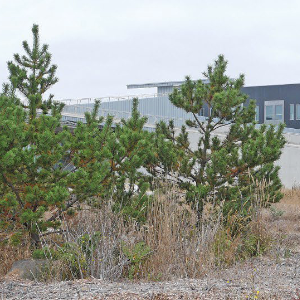
Oregon State University’s Hatfield Marine Science Center in Newport, OR (pictured) has an integrated tsunami vertical evacuation structure built into the building.
The Oregon Department of Emergency Management (OEM) has released the publication of Oregon’s Tsunami Vertical Evacuation Structure (VES) Guidance, a new resource designed to help coastal communities reduce loss of life during a locally-generated tsunami.
“Oregon’s coastal communities face some of the most urgent tsunami risks in the nation, and this guidance provides several considerations for tsunami safety that can inform locally driven solutions,” OEM Director Erin McMahon, said. “By combining the latest hazard science with practical planning, design and engagement tools, the Vertical Evacuation Structure Guidance outlines the advantages and disadvantages of options taking into consideration community, geography, and cost to further assist communities in implementing these lifesaving projects. This resource reflects strong collaboration across state, federal and local partners, and we appreciate the expertise and dedication that made it possible.”
Ground shaking during a major Cascadia Subduction Zone (CSZ) earthquake may last three minutes or longer. In as little as ten minutes after the earthquake shaking begins, a tsunami will begin to inundate coastal communities across Oregon, Washington, Northern California and British Columbia. For some communities, even evacuating toward natural high ground as soon as the shaking stops may not be enough—the distance is simply too great.
Strategically placed vertical evacuation structures can shorten the distance to high ground, saving hundreds and potentially even thousands of lives. These engineered facilities—towers, berms, specially designed buildings, or other elevated platforms—provide refuge above anticipated tsunami flooding and can offer critical protection when seconds matter.
The newly released guidance integrates hazard science, evacuation modeling, planning and design considerations, community engagement strategies, funding opportunities, and regulatory requirements to support informed local decision-making. It outlines how to assess need, explore options, and move projects from concept through design and implementation.
Key components of the guidance include:
Cascadia and tsunami hazard explanation
Current evacuation timelines, delays and challenges
Vertical evacuation options such as buildings, towers and berms
Case studies from existing and emerging VES projects
Planning and implementation frameworks
Community engagement tools and approaches
Funding and financing strategies
Technical and interdisciplinary expertise needed for VES development
Regulatory requirements, including tsunami design provisions and Oregon’s Tsunami Hazard Overlay Zone
Mapping resources and interactive GIS tools
Executive Summary
Residents and visitors in Oregon coastal communities will have less than 20 minutes from the time ground shaking starts after a Cascadia Subduction Zone (CSZ) earthquake to evacuate from tsunami-hazard zones—often not enough time to reach natural high ground in many areas. For these communities, survival depends not on whether people evacuate, but where evacuation is possible at all.
The CSZ is a 600-mile megathrust fault located 30 to 60 miles offshore the Oregon coast, where the Juan de Fuca plate subducts beneath the North American plate. A CSZ megathrust earthquake is expected to impact the western side of northern California, Oregon, Washington, and British Columbia—home to nearly 24 million people. Following the quake, tsunami waves— ranging in height from several tens of feet to over 100 feet—could reach the coast in as little as 10 to 20 minutes after the shaking starts, leaving little time for evacuation.
This report outlines the science, risks, and life-saving countermeasures associated with such an event, with a primary focus on the role of Vertical Evacuation Structures (VES) in tsunami-prone areas of Oregon coastal communities. VES are engineered facilities designed to provide safe refuge above anticipated tsunami inundation levels when natural high ground is too far or inaccessible within the short evacuation window.
Tsunamis are not single waves but arrive as multiple surges, often lasting 10–12 hours, but can last longer. Due to their destructive forces and the mobilized debris, survival rates for individuals caught by the tsunami are typically less than 1%. Timely evacuation is critical.
Residents and visitors located within the tsunami inundation zone may not survive if they delay evacuating, are located far from high ground, or experience injuries during the earthquake that prevent timely evacuation.
Evacuation modeling undertaken by the Oregon Department of Geology and Mineral Industries demonstrates that even with no departure delays, the distance that residents and visitors in some coastal communities must travel to reach high ground may be too far to reach before the first tsunami surge arrives. For these communities, high ground must be brought closer to the population centers — a strategy achieved through the implementation of vertical evacuation structures (VES). Furthermore, it is important to recognize that some communities may require multiple VES to effectively serve a community and reduce the potential for large loss of life.
Acknowledgment of Partnership
Development of this guidance was a collaborative effort led by the Oregon Department of Emergency Management and the Oregon Department of Geology and Mineral Industries, with support from NOAA’s National Tsunami Hazard Mitigation Program and FEMA’s Emergency Management Performance Grant program.
OEM extends its sincere appreciation to the project leads, coordinators, and partner agencies whose expertise, review, and contributions informed this document. Their collective effort and commitment were essential to shaping the recommendations and resources now available to Oregon communities.
Аналитика ИИ и парсинга
Технические детали обнаружения, сопоставления и связывания статьи
Поисковый запрос
«Орегон вертикальные эвакуационные сооружения цунами»
Запрос, сгенерированный ИИ для поиска статьи в веб-источниках
Связанные результаты поиска
Чтобы создать цунами, разлом, в которой происходит землетрясение, должен находиться под океаном или вблизи него и вызывать вертикальное перемещение морского дна (до нескольких ...