Английский Экология
06.07.2026 Читать источник
Новый владелец Stelco прогнозирует закрытие коксовой печи в Гамильтоне к 2030 году
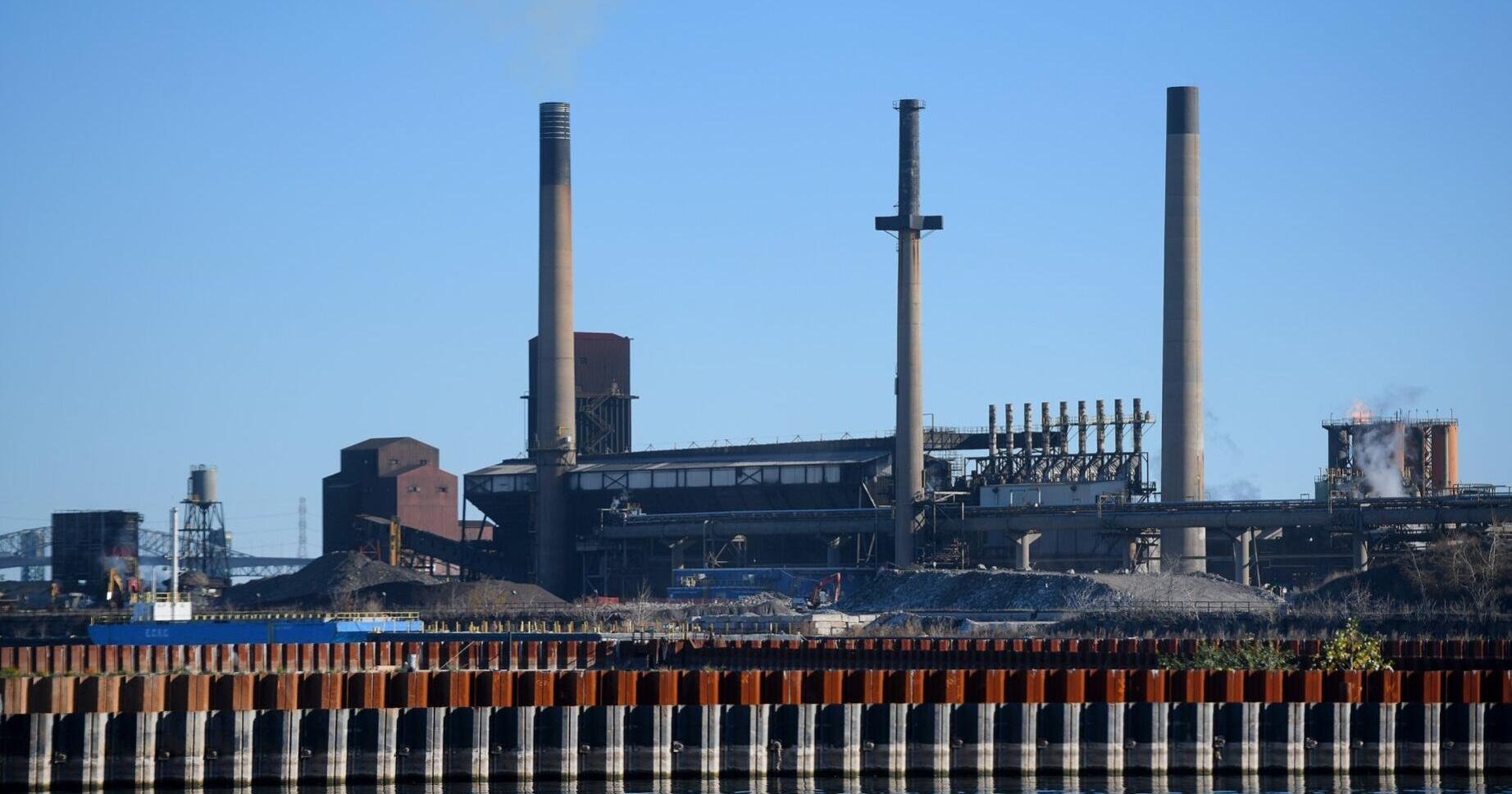
Руководитель Slate Asset Management заявил, что последняя коксовая установка сталелитейного завода Stelco в Гамильтоне будет демонтирована или перепрофилирована в ближайшие годы, что устранит значительный источник угольной загрязнения. Однако местные профсоюзы опасаются потери рабочих мест и требуют гарантий защиты сотрудников при переходе к новым проектам развития территории.
Перевод ИИ
Текст статьи доступен на языке оригинала.
Нажмите кнопку «Перевести статью» выше, чтобы сгенерировать перевод с помощью ИИ.
Оригинальный контент
The new owner of Stelco’s former port lands believes the steelmaker will shutter its last Hamilton coke plant by 2030 — which would remove one of the city’s most significant sources of coal-fired pollution.
Slate Asset Management bought 800 acres of mostly-vacant land from Stelco in 2022 for its future Steelport redevelopment. But the steelmaker leased back some of the land to continue operating both its steel-finishing mill and a pollution-prone coke plant, which turns coal into the specialized fuel needed to run blast furnaces.
While speaking with The Spectator about its redevelopment efforts, Slate managing director Steven Dejonckheere said his understanding is Stelco’s coke facility on leased land would close in the near future.
“That coke battery will be decommissioned and demolished or repurposed over the next couple of years,” Dejonckheere said, later specifying this could happen by 2030.
Beyond a potential closure date, Dejonckheere did not share any more details on the status of the coke plant, as it is a “confidential” matter between Slate and Stelco.
Neither Stelco nor its parent company Cleveland-Cliffs responded to a request for comment on the potential plant closure by publication.
But Slate’s account generally aligns with a time frame outlined in lease documents The Spectator revealed in 2022 showing the coke plant could be gone by 2029. When asked about the lease documents four years ago, Stelco said they were “filed in error” and that there were “no plans in place” to close the facility.
The Stelco coke plant is one of two such facilities remaining in Hamilton, with the other operating at neighbouring steelmaker ArcelorMittal Dofasco.
“Obviously if it closes down, it would be good for air quality,” said Evan Ubene from Environment Hamilton.
Coke plants are a major source of toxic pollution, particularly cancer-causing emissions of benzene and benzo(a)pyrene, that has made parts of Hamilton continue to have some of the worst air quality in the province.
While Stelco isn’t Hamilton’s largest industrial emitter, preliminary national pollution data for 2025 still shows the company released significant amounts of benzene and benzo(a)pyrene last year, with 14.2 tonnes and 14.4 kilograms respectively.
But Ubene noted that the plant’s closure would also risk eliminating jobs.
More than 130 unionized employees still work in coke-related operations at Stelco, according to local union president Ron Wells.
“Our preference is to see (the plant) stick around as long as possible,” said Wells, who emphasized the United Steelworkers will negotiate in the next round of bargaining with an eye to ensuring “job protection” in the event of a closure.
“This facility provides a lot of good jobs... I don’t think data centres are going to bring in that many jobs,” he said in reference to recent protests over the possibility of AI data centres in the future Steelport redevelopment.
“The unfortunate thing is that we don’t have a government that’s invested in the proper protections to transition away from fossil fuel-intensive jobs,” Ubene said, noting this applies to all levels of government.
In February, Ottawa announced a new Sustainable Jobs Action Plan aimed at “investing in skills, training and workforce development so workers are empowered to succeed in a rapidly changing economy,” though critics later said the strategy lacks details.
Ubene also said he wants to hear confirmation from Stelco on the supposed closure.
“Until I hear it from Stelco themselves, I don’t know how inclined I am to just take Slate up on their word,” he said.
Longtime climate activist Jochen Bezner added that he’s curious if the Hamilton closure would mean greater coke production at Stelco’s larger operations in Nanticoke.
“It’s great that you’re not doing it in my backyard,” Bezner said, “but you’re still doing it in someone else’s.”
The status of Hamilton’s remaining coke plants have garnered renewed attention in recent years after Dofasco announced a $1.8-billion, partially taxpayer-funded plan to transition to “green” steelmaking. Delays for that project have led to growing public criticism, though Dofasco did shutter one of its coke plants earlier this year.
Even if Stelco’s coke plant were to close in the next couple years to make way for Steelport-related developments, Slate said the steelmaker will continue to operate their long-running mill near Industrial Drive and Depew Street. Stelco no longer manufactures steel out of Hamilton, instead now only finishing the raw product that is made elsewhere.
Аналитика ИИ и парсинга
Технические детали обнаружения, сопоставления и связывания статьи
Поисковый запрос
«Stelco коксовая батарея Гамильтон закрытие 2030 Slate Asset Management»
Запрос, сгенерированный ИИ для поиска статьи в веб-источниках
Связанные результаты поиска
Результаты поиска отсутствуют в БД
Парсер не сохранил результаты веб-поиска для этой статьи.