Английский Прочее
02.09.2026 Читать источник
Джон Уайлдер: военный герой и промышленник, заложивший основы экономики горного региона
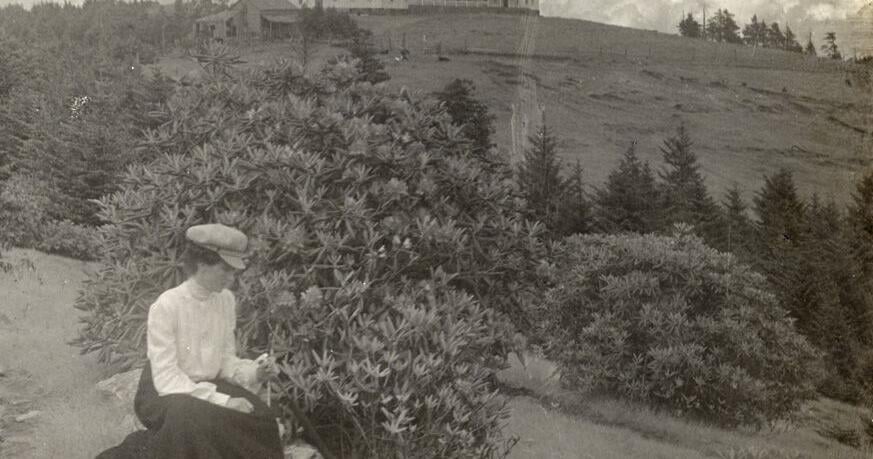
Бывший бригадный генерал Джон Т. Уайлдер после Гражданской войны инвестировал в добычу руды и строительство железных дорог, превратив восточный Теннесси в промышленный центр. Его проекты, включая знаменитый отель Cloudland и сеть железных дорог, стали фундаментом для развития городов вроде Джонсон-Сити.
Перевод ИИ
Текст статьи доступен на языке оригинала.
Нажмите кнопку «Перевести статью» выше, чтобы сгенерировать перевод с помощью ИИ.
Оригинальный контент
Within any community, growth requires a mix of locals and outsiders. Over the years, we have talked about some of these locals, men like T.D. Vance, “the mica king,” and Henry Von Cannon, along with non-locals like Howard Marmon and Edgar Tufts. Another name to add to the later column is John T. Wilder.
Wilder is not as well known as Marmon or Tufts, but he played a crucial role in the development of the area in the post-Civil War year. Born in New York and raised in Ohio, Wilder worked in the iron industry in Indiana prior to the Civil War. During the war, he rose through the ranks to command a brigade. His claim to fame came during the battle of Chickamauga when his men, armed with repeating rifles, saved the Union army from being flanked at Alexander’s bridge, on September 18, 1863.
After the war, Brevet Brigadier General Wilder returned to civilian life and the iron industry in Indiana. While stationed in Tennessee during the war, Wilder undoubtedly noted the rich resources in the Volunteer state. In 1866, he moved his family to Chattanooga. Countless hours were spent exploring the Cumberland Plateau and Unaka Mountains, looking for mineral resources. Wilder and other Northern investors established the Roane Iron Furnace. By September 1868, a “hot blast furnace,” produced pig iron. Wilder was elected mayor of Chattanooga in 1871 but resigned the following year.
In 1876, Wilder purchased thousands of acres in Mitchell County, a region long known for the Cranberry Vein of iron ore. Wilder was attempting to tap into this source. Iron Ore was being mined at Cranberry on a professional level since the 1820s. By 1880, Wilder had opened the Rock Creek Iron Works. The name of this community was changed several times. It was known as Wilder’s Forge, Magnetic City, and, today, Buladean. The post office for Wilders was opened in 1881. Wilder was also instrumental in the Peg Line Mine and the Wilder Mine, both in Tennessee.
Wilder’s business office was moved to Johnson City. It was not just iron ore that interested Wilder. In 1877, Wilder constructed the 20-room, spruce-log hotel on the top of Roan Mountain known as Cloudland. When the East Tennessee and Western North Carolina Railroad arrived in 1881, Wilder constructed a new Cloudland Hotel, completed in 1885. The hotel straddled the North Carolina-Tennessee line. North Carolina was dry, while drinks could be had on the other side of the room. Cloudland was well known for good food and even had a golf course. Wilder then built the Roan Mountain Inn in the village of Roan Mountain, a place for travelers to spend the night if they disembarked from the train and could not make the trip up the mountain until the following day. Very few guests visited Cloudland in the winter months.
In Roan Mountain, Wilder constructed a home for use when he was in the area. He possibly gave tours as well. It was recalled years later that he took a group of English visitors on a tour of the Cranberry mines. When asked how far the iron ore seam went, Wilder responded that “the Devil is now making iron from the bottom of it.”
Wilder was also instrumental in the development of Johnson City. He established the Carnegie Land Company, and then a hotel to accommodate businessmen coming to buy land. As early as 1887, Wilder was working on a blast furnace in Johnston City. Wilder planned that the Carnegie Furnace Company would process the iron coming out of the Cranberry Mines, and probably from his own enterprises at Wilder’s Forge. However, the financial panic of 1893 caused the company to become insolvent.
Railroads were also in Wilder’s realm of operation. In 1886, Wilder chartered the Charleston, Cincinnati and Chicago Railroad, with headquarters in Johnson City. The plan for the 625-mile line was to connect Ashland, Kentucky, to Charleston, South Carolina. This line had its ups and downs, eventually becoming known as the CC&O, or Clinchfield. It is still operated today under CSX.
Wilder was involved in many other projects throughout east Tennessee and into Western North Carolina. He died in Jacksonville, Florida, in October 1917, and is buried in Chattanooga. His role in the development of industry in the mountains cannot be overstated.
Аналитика ИИ и парсинга
Технические детали обнаружения, сопоставления и связывания статьи
Поисковый запрос
«Джон Уайлдер промышленник Теннесси железные дороги»
Запрос, сгенерированный ИИ для поиска статьи в веб-источниках
Связанные результаты поиска
К началу XX века в разные стороны от первой дороги, а также параллельно ей были построены новые, более современные транспортные системы, действующие до сих пор.
Во время Гражданской войны обе стороны использовали железные дороги для перевозки войск, а также для доставки продовольствия и боеприпасов.
Nov 21, 2023 · Однако такую позитивную ситуацию железные дороги имели не всегда. У них длинная история становления, развития и падений.