Английский Экология
06.07.2026 Читать источник
Виноградник WinterHawk стал первым в Род-Айленде, получившим сертификат программы устойчивого развития
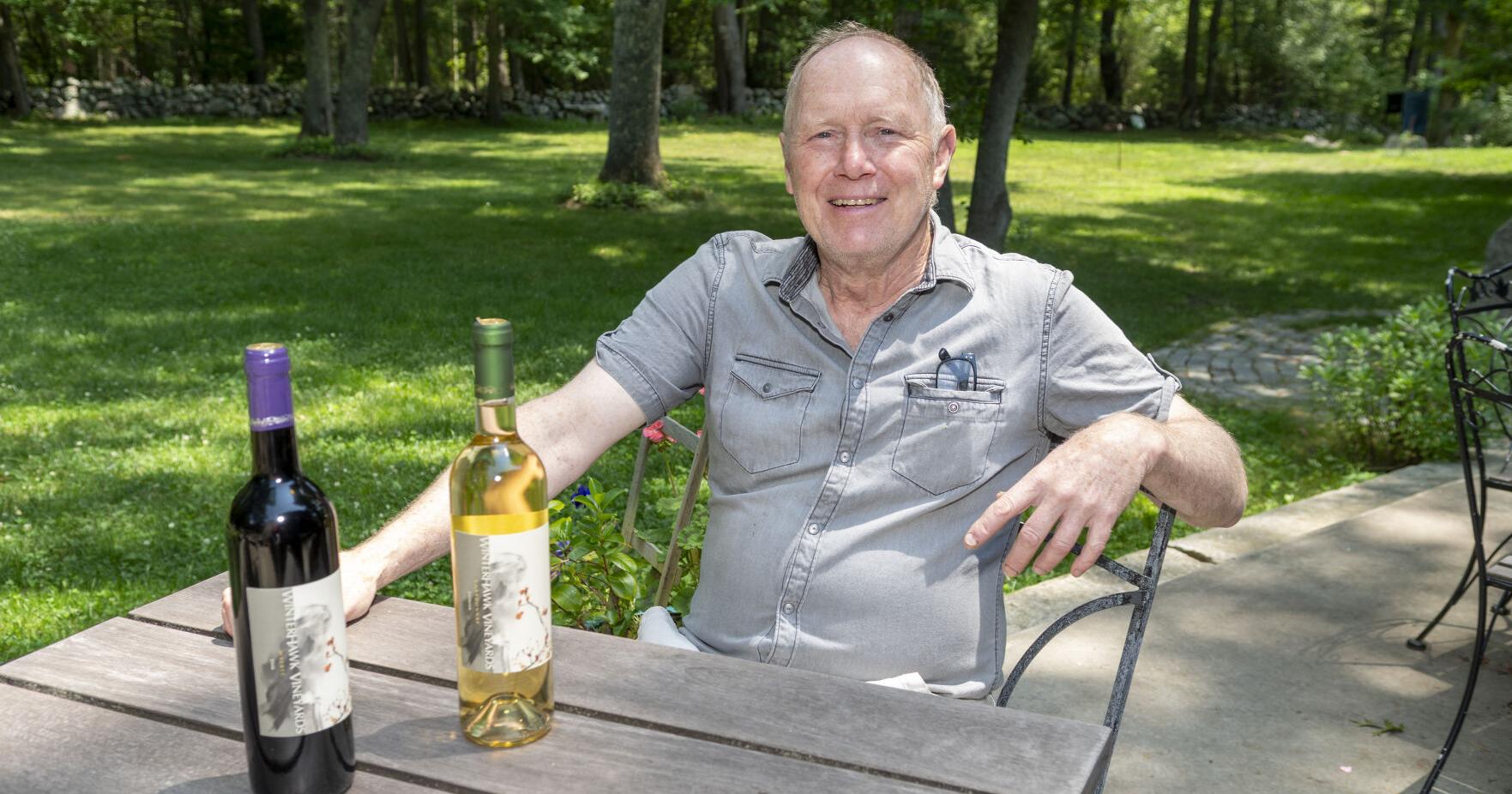
Виноградник WinterHawk в Вест-Кингстоне официально признан первым в штате Род-Айленд участником государственной программы экологической устойчивости, изначально созданной для крафтовых пивоварен. Владелец Рик Дайер, внедривший методы экономии ресурсов и отказа от химикатов еще 15 лет назад, получил награду за эффективность, а не за идеологию.
Перевод ИИ
Текст статьи доступен на языке оригинала.
Нажмите кнопку «Перевести статью» выше, чтобы сгенерировать перевод с помощью ИИ.
Оригинальный контент
Rick Dyer, owner of Winterhawk Vineyards in West Kingston, didn’t set out to be sustainable, he only wanted to run an efficient farm. The state noticed him anyway.
Dyer said he never called what he was doing “sustainability.” He called it “best practices,” and he had been doing it for 15 years before the state Department of Environmental Management ever picked up the phone.
Now his WinterHawk Vineyards has been selected as the inaugural vineyard recognized under a state sustainability program originally built for craft breweries. A formal ceremony is set for certifying his efforts July 9.
The program is Rhode Island’s Green Breweries initiative, the state arm of BetterBev, a free environmental recognition program for craft beverage producers launched regionally across New England with U.S. Environmental Protection Agency Pollution Prevention grant funding.
DEM describes the effort as a voluntary program recognizing breweries that implement pollution prevention and sustainable best practices, built on performance standards developed jointly with Connecticut, Maine, Massachusetts, and New Hampshire.
Until Dyer, the program had never recognized a winery. “Yeah, we have a first,” Dyer said about the choice of his vineyard as the first recognized and a model for others.
Dyer said DEM expanded its craft beer outreach to include vineyards and called him, despite his general skepticism toward state regulators as a farmer. What convinced the agency, he said, was a simple description of his waste output.
“DEM said, ‘Well, we want to talk about sustainability.’ I said, ‘Well, I think I got that covered. I go two or three weeks, and all my garbage goes in a potato chip bag,’” Dyer said.
“And that intrigued them, so they decided that I would be the inaugural one,” he said.
A team from various state departments visited with a questionnaire originally designed for breweries, asking Dyer how he cleans his kegs — a process that does not exist in winemaking. Dyer said the visit doubled as a test case for adapting the brewery-focused checklist to fit a vineyard’s operations.
DEM’s BetterBev checklist evaluates specific practices including pollution source control, waste reduction, water and energy tracking, and packaging choices, with beverage producers scoring 70 points or higher earning a Green Hospitality decal and free ongoing technical assistance.
Dyer said his approach to sustainability covers those points as well as groundwater protection, composting, and recycling throughout the operation.
“It’s just, you know, we’re not doing things that would pollute our groundwater. We’re not using excessive groundwater. We’re composting everything, recycling, repurposing,” Dyer said.
“For instance, the bottles that I use in my tasting room, I don’t recycle those. I sell those to a home winemaking store, and they get reused,” he added.
Dyer said his winery was likely the first in Rhode Island to switch from water-based cleaning to steam cleaning its large fermentation vats, a choice driven as much by efficiency as by environmental concern.
The switch eliminated a major source of water use that state regulators initially expected to be a problem during his licensing process.
“If you have a steam generator, you use distilled water. If you have a wine cellar, you’re running a dehumidifier. Guess what comes out of a dehumidifier? Water. Distilled water,” Dyer said. “We don’t even throw out the dehumidifier water; we use it.”
On his four-and-a-half-acre property, Dyer said he has added 120 yards of compost to the soil over the past three to four years, avoiding synthetic nitrogen and fertilizer entirely.
He also avoids pesticides where possible, relying instead on chrysanthemum oil to control Japanese beetles and experimenting with diatomaceous earth as a non-chemical alternative.
“We’re not pumping nitrogen. We’re not pumping fertilizer or pesticides. We’re building up the soil,” Dyer said. “We compost every bit of waste that we make that’s compostable, but we also bring compost in from various recycling centers as well.”
Even his approach to barrel use reflects the same efficiency-first philosophy. Rather than continually purchasing new oak barrels, Dyer maintains and reuses his barrels until they reach a state winemakers call “neutral,” then uses alternative methods to achieve the flavor effects a new barrel would otherwise provide.
Dyer purchased the West Kingston land in 1984 and built his house there in 1991, but WinterHawk Vineyards itself is 15 years old, born from wine he made for his own wedding that guests insisted was good enough to sell.
He continues to work as a network architect in the lottery industry while running the vineyard, which he said was designed from the outset to sustain itself financially rather than become a costly hobby farm.
Asked whether sustainability has cost him financially, Dyer was unequivocal that the opposite is true, though he declined to put a specific dollar figure on the savings.
“It’s a money saver,” Dyer noted.
“In fact, ‘sustainable’ didn’t really actually enter the lexicon until the DEM team called and said, ‘Hey, are you sustainable?’” Dyer said. “I didn’t call it a sustainable option. I just called it best practices.”
Аналитика ИИ и парсинга
Технические детали обнаружения, сопоставления и связывания статьи
Поисковый запрос
«первый в Род-Айленде винный завод Winterhawk Vineyards получил сертификат устойчивого развития по программе Green Breweries»
Запрос, сгенерированный ИИ для поиска статьи в веб-источниках
Связанные результаты поиска
Результаты поиска отсутствуют в БД
Парсер не сохранил результаты веб-поиска для этой статьи.