Английский Политика
06.07.2026 Читать источник
1970-е годы: десятилетие экономических потрясений, экологического пробуждения и кризиса доверия к власти
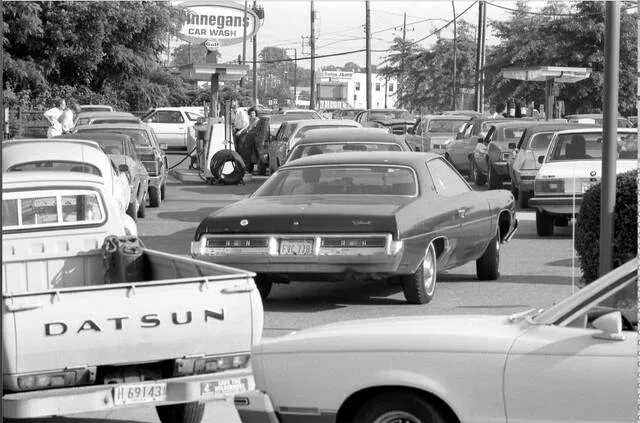
США в 1970-х столкнулись с инфляцией и энергетическими кризисами, что привело к созданию стратегических запасов нефти и новых экологических законов. Десятилетие также ознаменовалось падением доверия к правительству после скандала Уотергейт и резignацией президента Никсона.
Перевод ИИ
Текст статьи доступен на языке оригинала.
Нажмите кнопку «Перевести статью» выше, чтобы сгенерировать перевод с помощью ИИ.
Оригинальный контент
A Decade of Tests, Change and Renewed Civic Energy
The 1970s opened with Americans still carrying the momentum of the postwar boom, but it quickly became a decade defined by adjustment.
Families felt economic uncertainty at the grocery store and the gas pump while leaders faced deep questions about credibility and confidence.
Economic Pressure
Inflation and slow growth collided in ways that challenged household budgets and long-held assumptions. The term “stagflation” entered the national vocabulary as prices rose even when economic growth weakened, a condition that tested workers, businesses and policymakers.
Energy shocks sharpened those concerns. In 1973, the Arab oil embargo led to fuel shortages and long lines at gas stations, pushing conservation into the mainstream. A second major disruption followed in 1979 amid upheaval in Iran, again reminding Americans how closely the economy and energy supply were linked.
Washington responded with a mix of new tools and long-term planning. In 1975, Congress created the Strategic Petroleum Reserve to help the nation weather future supply interruptions. In 1977, the Department of Energy was established, reflecting how central energy policy had become to national life.
Environmental Focus
As economic pressures mounted, environmental awareness grew into a defining civic theme. The first Earth Day was held April 22, 1970, drawing millions of participants and making clean air and water a kitchen-table issue as well as a national one.
That public attention helped shape federal action. Congress passed the Clean Air Act in 1970 and the Clean Water Act in 1972, setting standards that influenced industries, cities and consumers. The Environmental Protection Agency began operations in 1970, giving the federal government a central role in enforcing environmental rules.
Trust and Leadership
The decade also brought major tests of confidence in government. The Watergate break-in occurred in 1972 and the scandal that followed culminated in President Richard Nixon’s resignation on Aug. 9, 1974, the first by a U.S. president. The event left a lasting mark on public trust while also underscoring the role of the courts, Congress and a free press.
Cultural Reflection
American culture in the 1970s often turned inward, asking what prosperity meant and who had a voice. Movies, music and television frequently explored family change, work identity and the aftereffects of national conflict, mirroring conversations happening around dinner tables and in workplaces.
Аналитика ИИ и парсинга
Технические детали обнаружения, сопоставления и связывания статьи
Поисковый запрос
«1970-е годы США инфляция энергетический кризис экология Уотергейт»
Запрос, сгенерированный ИИ для поиска статьи в веб-источниках
Связанные результаты поиска
Результаты поиска отсутствуют в БД
Парсер не сохранил результаты веб-поиска для этой статьи.