Английский Культура
03.09.2026 Читать источник
Ленни Таварез объяснил, как интуиция и пуэрториканская культура формируют его музыку
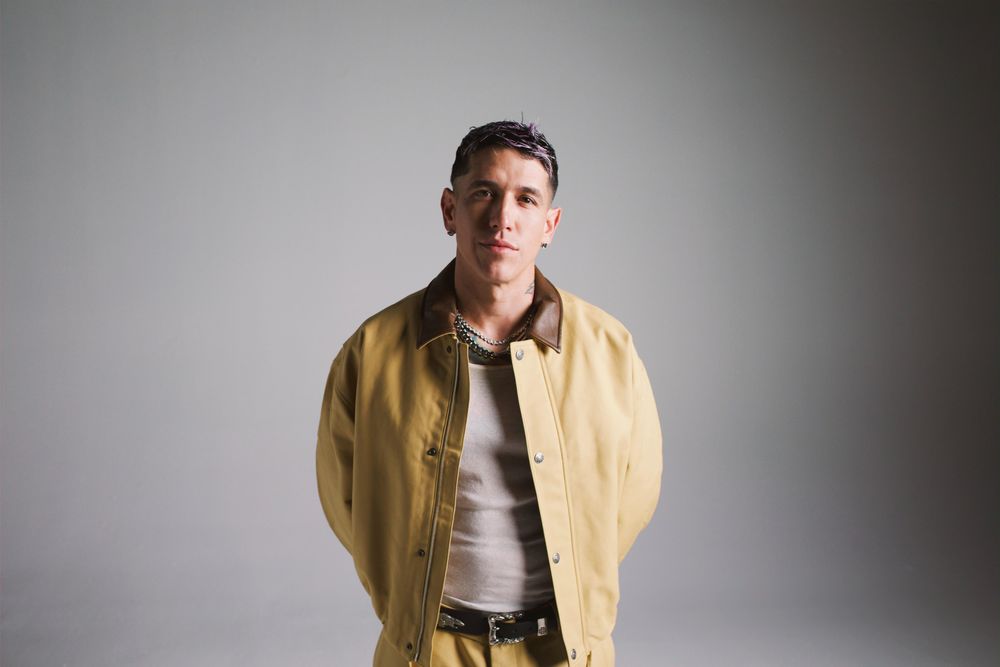
Найденный в интервью GQ, исполнитель Ленни Таварез рассказал, что выбирает жанр для трека исключительно на основе текущего эмоционального состояния, а не коммерческих расчетов. Артист подчеркнул, что его уникальный стиль является естественным отражением его пуэрториканского наследия и стремления к аутентичности.
Перевод ИИ
Текст статьи доступен на языке оригинала.
Нажмите кнопку «Перевести статью» выше, чтобы сгенерировать перевод с помощью ИИ.
Оригинальный контент
GET THE LATEST ISSUE OF GQ
Lenny Tavárez
Image: Supplied
Lenny Tavárez doesn’t overthink where a song should go. If he’s feeling reggaeton, that’s where he goes. If the mood calls for something more intimate, it might become R&B. After years in the game, the Puerto Rican artist has learned to trust his instincts, creating music that feels honest, instinctive and distinctly his own.
GQ caught up with the award-winning artist to talk about his love of music, the collaborators who inspire him and what keeps him pushing creatively.
GQ: Your sound blends reggaeton, R&B, and trap so seamlessly, how do you decide what direction a track takes?
Honestly, I choose based on how I’m feeling at that moment. The rhythm is just the vehicle to carry the message. If I’m in a party mood, I’ll lean into reggaeton. If I want something more sensual and intimate, I go with R&B. And if I’m feeling more intense or on some “problem” energy, then trap is the direction. At the end of the day, it’s never forced—the emotion comes first, and the sound follows. I let the vibe guide the process so the track feels real and authentic, not calculated.
Lenny Tavárez lets the vibe lead the way
Image: Instagram
GQ: Looking back at your journey from Dyland & Lenny to your solo career, what was the biggest shift for you creatively and personally?
The first major shift was taking full responsibility for every single detail of my career on a creative level. When you’re part of a duo, you share that weight, but going solo means every decision—sound, visuals, direction, branding—falls on you. At the same time, I had to adapt to the constant evolution of the industry, especially on the business side and how music is consumed today. Everything moves faster now, and you have to be not just an artist, but also a strategist. On a personal level, the biggest challenge has been finding balance between the business and my family.
I’m very detail-oriented and a perfectionist by nature—I love being in the studio, creating new music, and working on my live shows. That’s where I feel most in my element. But at the same time, I truly value being present with my family and having real quality time with them. And in this industry, it’s not always easy to have both working smoothly at the same time. I do feel like I’ve been able to create a stable environment where my business doesn’t depend on my mood or how I feel on a given day. I’ve built a system and a mindset that allows me to stay consistent and grounded, so even if I’m navigating a lot personally or professionally, everything keeps moving forward in the right way.
GQ: What does a typical studio session look like for you when you’re building a song from scratch?
Honestly, it usually starts with good weed, a solid producer, and the intention of connecting with new listeners. Before anything musical even happens, there’s always a conversation—at least 30 minutes—about whatever’s going on in life at that moment. It could be personal experiences, industry moves, relationships, or just random thoughts. That conversation sets the tone and naturally leads us to the direction we want to take. From there, we start building the vibe—whether it’s a melody, a drum pattern, or even just a feeling we’re trying to capture. I don’t like to force anything. It’s more about letting the energy guide the process and creating something that feels real. Once the foundation is there, I start writing, freestyling ideas, and locking into the emotion of the track. For me, it’s always about making music that people can connect to.
GQ: You’ve collaborated with some of the biggest names in Latin music, what do you look for in a collaborator today?
What I look for in a collaborator is someone who brings something to the table that I don’t have. I’m not focused on numbers or stats—I’m more interested in their essence, their color, their unique energy. It’s about finding that contrast or complement that can elevate the music into something bigger than what either of us could create alone. For me, the best collaborations happen when there’s a natural chemistry and mutual respect. I want to work with artists who inspire me, who challenge me creatively, and who aren’t afraid to step outside their comfort zone. When two different worlds come together with the right intention, that’s when something special happens. At the end of the day, it’s about creating a moment—something authentic that people can feel. Not just another track, but a record that stands out because of the connection behind it.
GQ: How has your Puerto Rican identity shaped your music and storytelling over time?
Being born and raised in Puerto Rico gave me the flavour of salsa, the flow of reggaeton, and the edge of trap. It shaped my ear from a young age and naturally influenced the way I approach rhythm, melody, and storytelling. That mix of sounds and culture is something that lives in me—it’s not something I try to force, it just comes out in the music. It also gave me a deep sense of confidence and identity. Knowing that I come from a place where so many legendary artists have made history in music pushes me to hold myself to a certain standard. There’s a legacy behind being Puerto Rican in this industry, and I carry that with pride every time I step into the studio or get on stage. At the same time, it inspires me to keep evolving the sound. I respect where it comes from, but I also want to contribute to where it’s going. My goal is to represent my culture in a way that feels authentic while also pushing boundaries and connecting with people all over the world.
GQ: What’s one song in your catalog that means more to you than fans might realise?
My song titled “El Yate” is one of the most personal records I’ve ever written—from the reason behind it, to the creative process, to everything I was going through at that moment in my life. It captures a very real chapter of me, emotionally and artistically, and you can hear that honesty in every part of the song. At the same time, I can’t leave out “Ya No Quiere Amor.” That record represents a turning point for me—it’s the song that introduced me as a solo artist to a wider audience. Beyond its impact, it carries a very special spiritual meaning for me, especially because of the message I share at the end. Both songs, in different ways, define who I am as an artist: one reflects my most intimate experiences, and the other marks the beginning of my journey and purpose.
GQ: The global rise of reggaeton has been massive, what do you think still gets misunderstood about the genre?
I think there are still people who believe reggaeton isn’t real music, or who find it hard to see it on the same level as other genres beyond the numbers it has achieved. Many people reduce it to a “simple” or repetitive genre, when in reality it has a very complex rhythmic foundation (like the dembow) and is constantly evolving in sound, fusion, and production. It’s not just a beat—there’s a lot of cultural and musical intention behind it. It’s also often assumed that all the lyrics are superficial or explicit, but reggaeton has served as a platform for social expression, identity, and urban reality.
Artists have told stories about life, inequality, cultural pride, and personal growth through the genre. Another big misconception is not recognizing its roots. Reggaeton didn’t come out of nowhere—it comes from a rich blend of influences like Spanish-language reggae from Panama and hip hop, evolving strongly in Puerto Rico. Sometimes, with its global success, that cultural context gets lost. And lastly, its impact is often underestimated. Reggaeton isn’t just music to dance to; it has changed the industry, broken language barriers, and opened doors for Latin artists on a global stage. In short, more than a trend, reggaeton is a cultural movement with history, identity, and constant evolution.
GQ: If you could create a project with no commercial pressure at all, what would it sound like?
Honestly, I feel like it would sound exactly like the music I’m already putting out. I don’t create from a place of commercial pressure—I create from instinct, from emotion, and from what feels real to me in the moment. I’ve always tried to stay true to my sound and my vision, rather than chasing what’s trending or what might perform better. For me, the goal is connection, not calculation. So even in a world with zero expectations or industry pressure, I’d still be making the same kind of music—honest, evolving, and rooted in who I am as an artist. If anything, that freedom would just push me even further creatively—experimenting more, taking bigger risks, and exploring new sounds without hesitation—but the essence would remain the same.
This article originally appeared in GQ print June/July 2026 issue. It has been edited for online use.
Related Topics:
Аналитика ИИ и парсинга
Технические детали обнаружения, сопоставления и связывания статьи
Поисковый запрос
«Ленни Таварез интуиция пуэрториканская культура музыка»
Запрос, сгенерированный ИИ для поиска статьи в веб-источниках
Связанные результаты поиска
World jazz, art & music (J.A.M.)
Музыка Перуанских Индейцев . Этническая музыка. Василий Ищенко 1.3M views • 9 years ago 6:04
Share your videos with friends, family, and the world
Ленни Россоловски 1:07:52 Я видел (Интро) Гадкий Ленни (NBRSK) 01:08 8-ое марта гнойный, хмурый ленни 02:37 На море (2004) Ленни vs Неплагиат 03:49 Программа для глубокого сна (528 Гц - 2 Гц) Медитации Ленни ...
Jan 25, 2021 · Пуэрториканская музыка от пользователя Рафаэль Арутюнян. Слушать бесплатно онлайн на Музыка Mail.Ru